Tennis Doping Controversy: Halep vs. Świątek Disparities
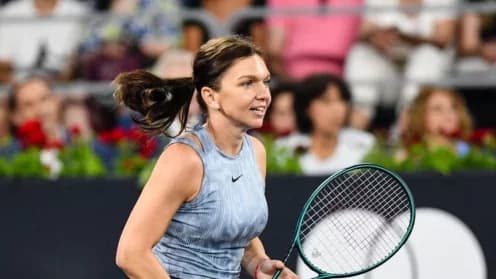
The ongoing controversy surrounding doping suspensions in tennis highlights disparities in verdicts, with stars like Simona Halep and Iga Świątek at the center of a debate over fairness and integrity in the sport.
In the realm of professional tennis, few subjects create as much debate as doping suspensions and the perceived inconsistencies surrounding their enforcement. Simona Halep, a former world number one and multi-Grand Slam champion, has recently ignited controversy by questioning the differing outcomes of doping violations involving herself and Iga Świątek. Halep, who underwent a lengthy suspension and faced a harsh penalty after two distinct anti-doping infractions, now finds herself in disagreement with the quick resolution of Świątek's case, highlighting a possible disparity in how the sport's governing authorities handle anti-doping violations.
Halep's journey took a significant turn in October 2022 when she faced a provisional suspension after testing positive for the prohibited substance roxadustat. She strongly denied any intentional wrongdoing, yet in September 2023, she received a four-year suspension, which was later reduced to nine months after her appeal to the Court of Arbitration for Sport. The Romanian tennis player argued that the substance found in her system resulted from contamination from a certified supplement, a claim she believes was never given sufficient consideration. Nonetheless, the contrasting treatment of Halep’s case with Świątek’s recent one-month suspension has prompted the former world number one to question the fairness of the overall process.
Świątek's positive test for trimetazidine (TMZ) in August 2023 resulted in a considerably lighter punishment. The International Tennis Integrity Agency (ITIA) determined that Świątek's positive was caused by contamination in her melatonin medication, leading to only a one-month suspension, which has ignited further discussion. Halep, who spent over 18 months contesting her case, voiced her frustration openly on Instagram, saying, "I stand and ask myself, why is there such a big difference in treatment and judgment? I can't find a logical answer. It must be due to bad will from the ITIA."
Complicating this situation further is the contentious case of Jannik Sinner, who was exonerated after failing two drug tests earlier this year. The Italian athlete's defense—that the banned substance clostebol had been introduced into his system through massages and sports therapy administered by his support team—was upheld by an independent tribunal, although the World Anti-Doping Agency (WADA) is currently appealing this ruling. The differing outcomes in Sinner's situation, alongside the issues surrounding Świątek and Halep, have sparked significant criticism regarding the management of doping violations within the sport.
Tennis players, especially those competing on the men's and women's tours, have expressed worries about what they see as inconsistencies in how doping regulations are enforced among players, depending on their rankings and influence. During a press conference, ITIA chief executive Karen Moorhouse addressed these escalating concerns, stressing that the cases in question involved unintentional doping violations, not deliberate cheating. She assured the public that the governing body operates transparently and is dedicated to maintaining the integrity of tennis, despite the obvious inconsistencies that still tarnish the reputation of the sport's anti-doping policies.
According to the Professional Tennis Players Association (PTPA), the sport requires a reformed anti-doping system rooted in transparency, consistency, and fairness. Athletes, irrespective of their rankings or available resources, should be treated with equal respect and fairness under the law. The ongoing struggle for a fairer system underscores broader governance issues within tennis, which are likely to develop as more prominent cases emerge. In the meantime, individuals like Halep and Świątek will continue to be central figures in this dialogue, representing the significant divides in how tennis upholds its integrity.